Keeping Evidence of Harassment Safe
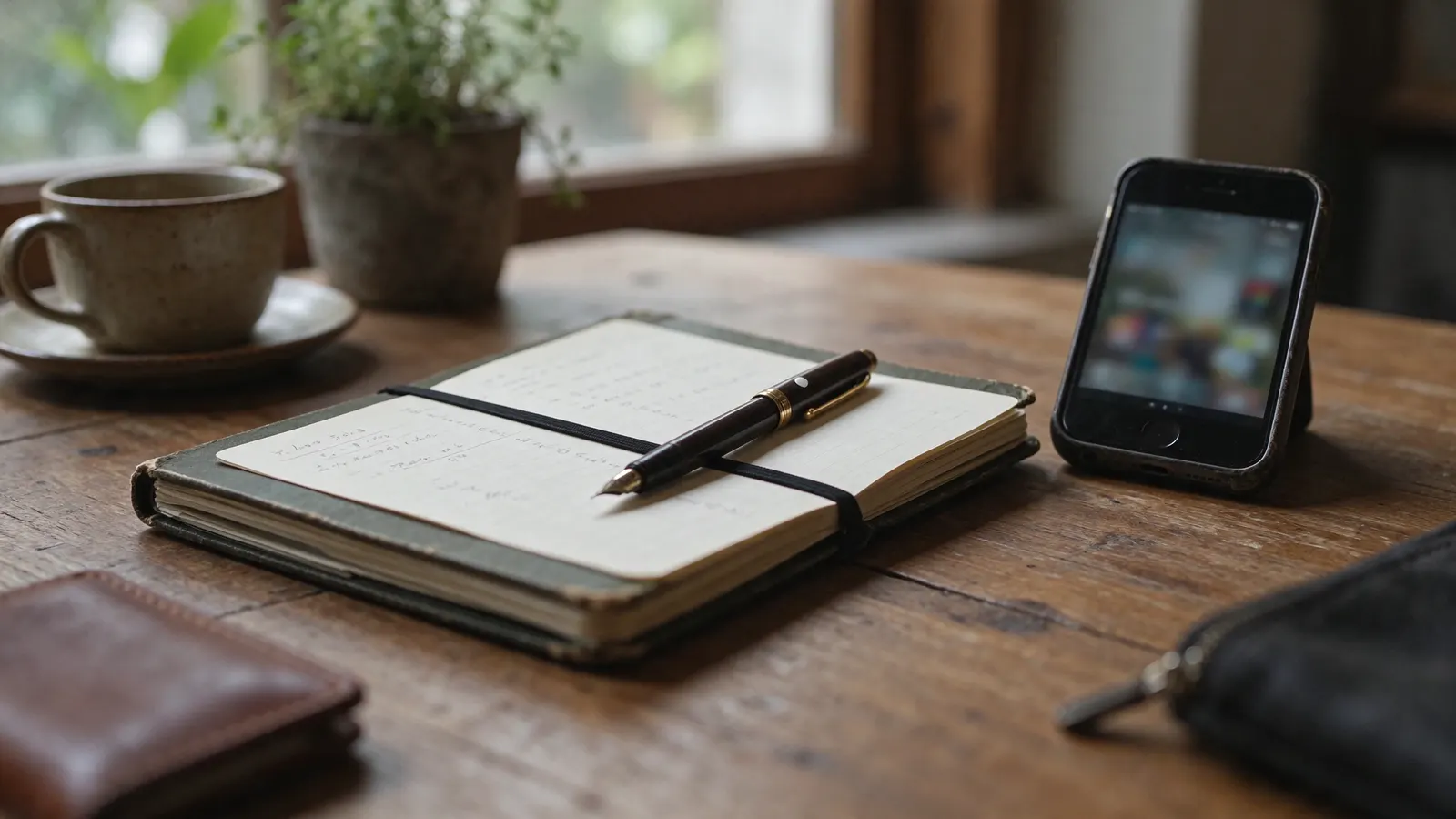
Capture evidence completely and with dates: screenshots that show the sender, the date and the whole message, photos of injuries or damage with something for scale, and a simple written log. Keep copies in an encrypted vault with its own code, plus an encrypted backup somewhere the other person can't reach. If you're in danger, contact local emergency services or a helpline first; an app is the last step, not the first.
Safety First
If someone is threatening or hurting you, your safety matters more than any evidence. If you're in immediate danger, call your local emergency number. Domestic violence and harassment helplines can help you make a safety plan, including what to do with your phone. Some changes, like suddenly locking a phone the other person used to see, can escalate things. A helpline can help you judge that.
What Good Evidence Looks Like
Evidence is most useful when someone who wasn't there can follow it.
- Screenshots that show context. The sender's name or number, the date and time, and the whole message. Take several screenshots for long conversations rather than cropping.
- The profile or account. Screenshot the account page too, since usernames can change.
- Photos of injuries or damage. Several angles, with something for scale, and again over following days as bruises change.
- A written log. Date, time, what happened, who saw it. Short and factual.
- Originals where possible. Don't edit or crop the originals; make copies if you need to mark something.
Keep It Safe
The person you're documenting may have access to your phone, your iCloud or your computer.
- Store evidence in an encrypted vault with a code they don't know and can't guess.
- Delete loose copies from Photos and empty Recently Deleted, if the other person might look there.
- Keep a backup they can't reach. An encrypted backup file with a trusted friend, or in an account they don't know about.
- Check shared access. Apple's Safety Check (Settings > Privacy & Security > Safety Check) shows who can see your location, photos and devices, and can stop sharing.
Sharing With Police, a Lawyer or a Platform
Give them what they ask for in the format they ask for. Many will want originals with metadata intact, because dates and device information support your account. That's the one case where you shouldn't strip metadata. If you're unsure, keep the original in the vault and send a copy.
Where Hidero Fits
Hidero keeps evidence encrypted behind its own code, separate from your passcode, and records failed attempts to open the vault. Encrypted backups let you keep a copy outside the phone. If you might be forced to open the app, Hidero Pro can add a decoy vault. Hidero is coming to the App Store in January 2027.
Questions
Are screenshots valid evidence?
Often, especially when they show who sent the message and when. Keep the originals and record where and when you took them. Requirements differ by country and court.
Should I delete the messages after taking screenshots?
Usually no. Keep the original conversation as long as it's safe to do so, since it may be needed to confirm the screenshots.
How do I stop someone from seeing my evidence?
Keep it in an encrypted vault with its own code, remove loose copies from Photos, and use Safety Check to review what you share with others.
Sources
- Apple Personal Safety User Guide: Manage Photos sharing settings
- Apple Personal Safety User Guide: Lock or hide apps on your iPhone