Your Partner Knows Your Passcode
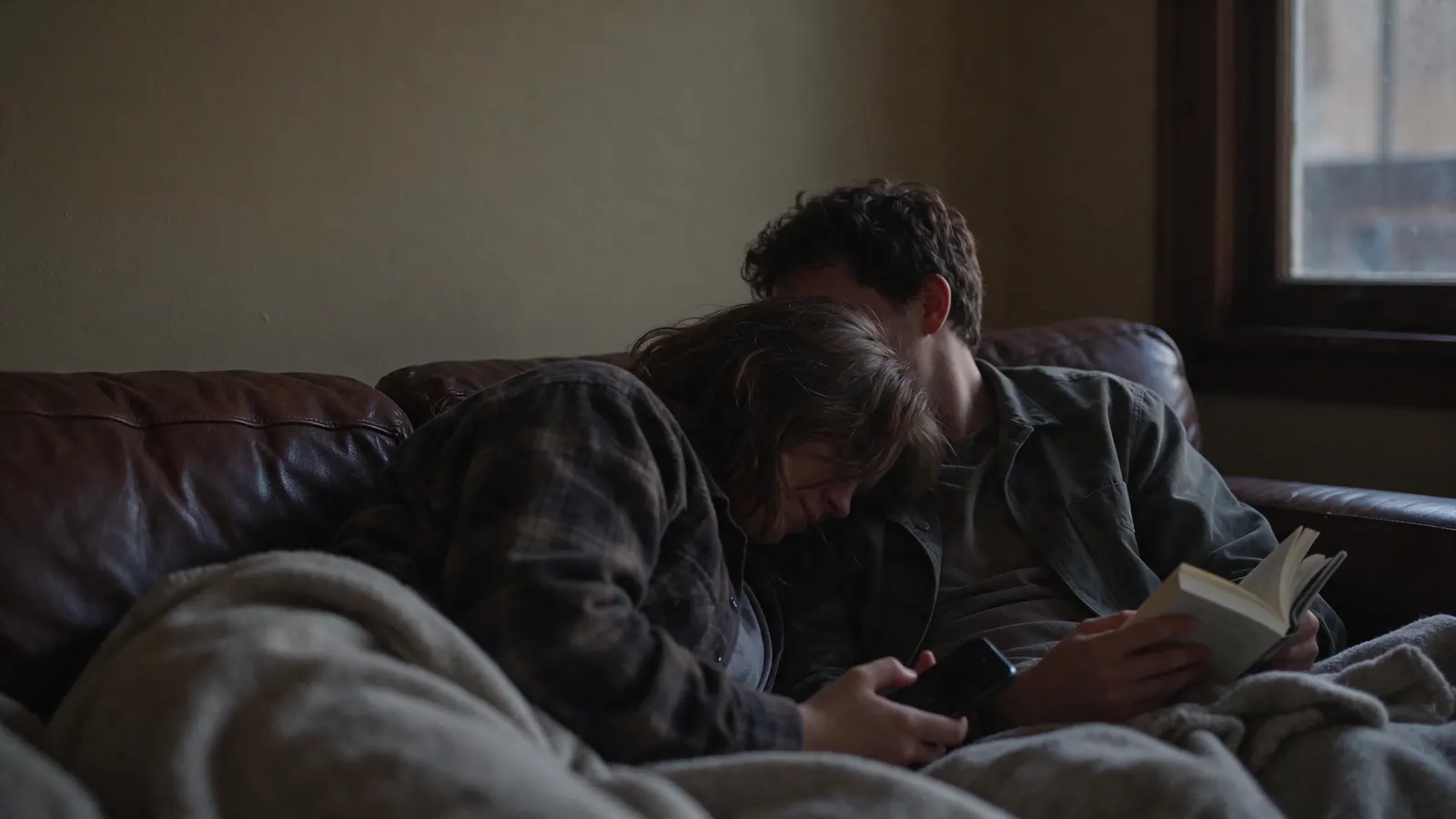
If your partner knows your passcode, they can open almost everything on your iPhone, including the Hidden album and Recently Deleted. To keep some photos private, put them in an encrypted vault with its own code, one that isn't your passcode and isn't written anywhere. If you're keeping things private because you feel monitored or unsafe, focus on a safety plan first; Apple's Personal Safety guide is a good start.
Privacy Isn't Secrecy
Plenty of couples know each other's codes. It's practical: one of you drives, the other replies to messages; one phone dies, the other finds the photos. Knowing the code isn't the problem.
But private isn't the same as secret. You might keep photos of a surprise gift, a medical scan you're not ready to talk about, intimate pictures from before the relationship, things a friend sent you in confidence, or simply pictures you took for yourself. Wanting a few things that are only yours is healthy.
What Your Passcode Opens
On iPhone the passcode is a master key. Anyone who has it can open:
- Photos, including the Hidden album and Recently Deleted;
- apps you locked with Face ID, which fall back to the passcode;
- Messages, mail and most apps that don't have their own login;
- passwords in the Passwords app, unless Stolen Device Protection asks for Face ID.
So hiding something in the Hidden album and hoping is not a plan.
A Low-Drama Setup
- Move the private photos into an encrypted vault with its own code. Choose a code your partner can't guess from anything else of yours.
- Delete the originals and empty Recently Deleted.
- Check iCloud. If you share an Apple Account, an iPad or a Mac, the photo library might be visible there too.
- Don't reuse the code. Not your passcode, not your bank PIN, not your partner's birthday.
- Be relaxed about it. A vault app on your phone is as normal as a locked diary. If it comes up, "it's where I keep personal stuff" is a complete answer.
If It's Not Just Curiosity
Sometimes a partner checking your phone is part of a pattern: demanding codes, getting angry at locks, tracking where you are. If that's familiar, privacy settings are not the first step. Changing codes or adding locks can escalate things.
- Talk to someone you trust, or a domestic violence helpline in your country.
- Apple's Safety Check (Settings > Privacy & Security > Safety Check) shows who you share location, photos and access with, and can stop sharing quickly.
- Apple's Personal Safety User Guide covers this in detail.
A vault can still help in these situations, especially one with a decoy, but your safety comes before any app.
Where Hidero Fits
Hidero opens with its own code (a pattern, a passphrase, emoji and more) that has nothing to do with your passcode, and even someone who knows your passcode can't reset it. If you ever have to open it under pressure, Hidero Pro can add a decoy vault that opens with a different code and shows only harmless photos. Hidero is coming to the App Store in January 2027.
Questions
Can my partner see my hidden photos if they know my passcode?
Yes. The Hidden album unlocks with Face ID or the passcode, so anyone with the passcode can open it.
Is it normal to want privacy from a partner?
Yes. Keeping some things to yourself is part of being a separate person. If you're afraid of how your partner would react to a lock, that's worth talking to someone about.
Will my partner know I have a vault app?
They might see the app icon or find it in Settings, storage or purchase history. A vault keeps what's inside private; it doesn't hide that it exists.
What is Safety Check on iPhone?
A feature in Settings > Privacy & Security that reviews and stops sharing of location, photos and app access with other people, and can reset privacy permissions quickly.
Sources
- Apple Personal Safety User Guide: Lock or hide apps on your iPhone
- Apple Personal Safety User Guide: Manage Photos sharing settings
- Apple Support: Hide photos with the Hidden album